Cameroon’s Giant Showcasing the Country's Biggest Wood Operation
Cameroon’s Giant Showcasing the Country's Biggest Wood Operation
Blog Article
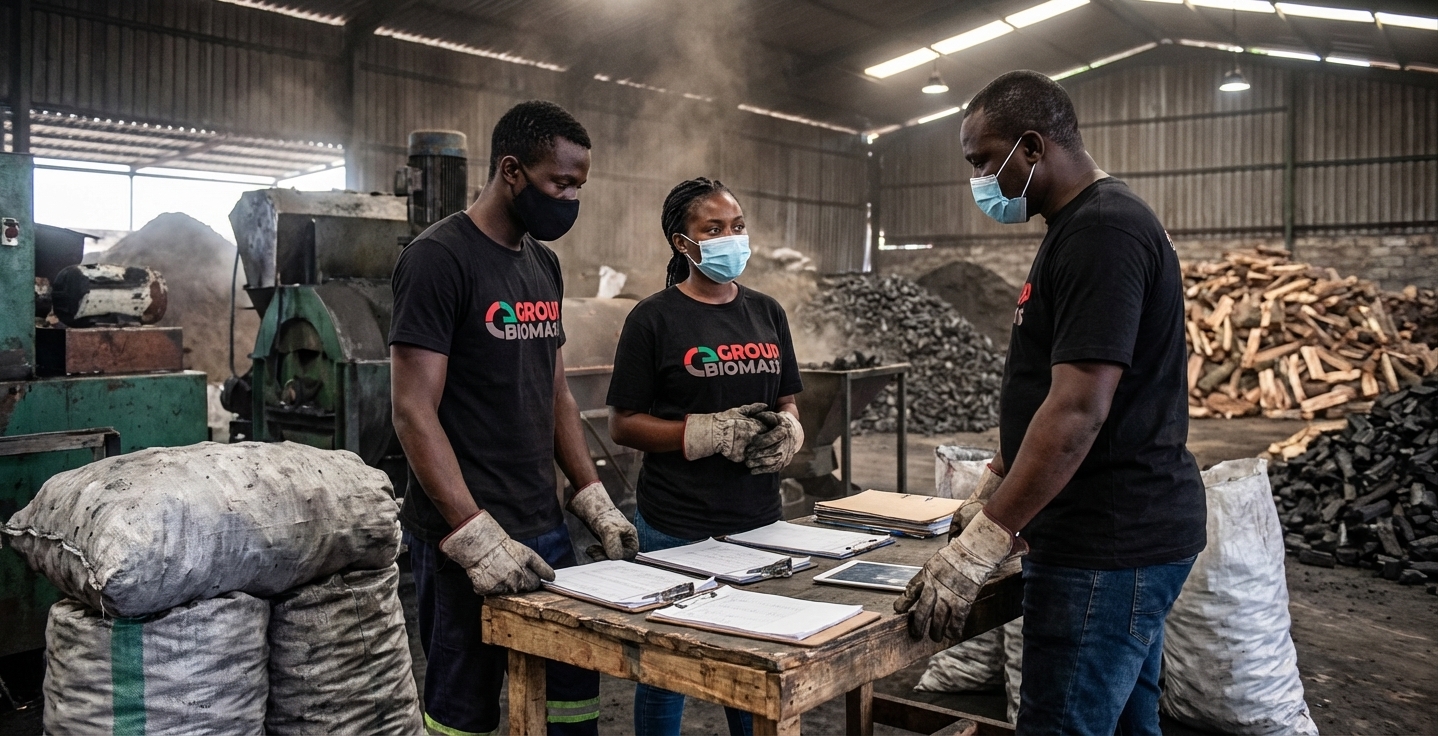
Deep within the country, a massive site stands as a symbol to the rising demand for charcoal . This production complex, reportedly the region’s largest fuel operation, is attracting attention for both its size and the potential environmental impact . While offering livelihoods for nearby communities, the factory's operations are sparking debate about sustainable forest practices and the future well-being of the country's woodlands .
Natural Lump Carbon Shipment Boom: Cameroon’s Promising Player
Cameroon is seeing a substantial surge in dense lump carbon exports, positioning itself as a key player in the global market. Thanks to growing demand from the United States and Asian markets, the country’s output of this eco-friendly fuel is rapidly increasing, offering promising opportunities for regional farmers and strengthening the country's economy. The priority on environmentally friendly hardwood lump carbon is demonstrating to be a major aspect in attracting global buyers.
Inside Cameroon’s Hardwood Lump Charcoal Factory: Production & Sustainability
Stepping within a common Cameroon timber lump fuel factory shows a surprisingly straightforward process of production. Untreated trees, often collected from sustainable woodlands, are meticulously cut and moved to a kiln. Inside, the wood is slowly cooked with minimal oxygen, a method that transforms it as piece charcoal. Despite the conventional methods used can be difficult, more new factories are incorporating refined processes and trying methods to enhance their productivity and ecological responsibility. This includes dedicating in clean energy and implementing rigorous scrap management approaches.
Cameroon's Lump Charcoal Trade : A Significant Contributor in International Sales
Despite mounting environmental worries , Cameroon’s charcoal sector remains a surprising but vital contributor in the global sales arena . The creation of charcoal from wood is a critical source of income for many of the nation's communities, particularly in underserved areas . This activity generates a substantial volume of lump charcoal destined for foreign destinations , often providing energy needs in other nations , though this need creates problems relating to forest loss and eco-friendly tree management .
La Entre Charbon de Bois Massif de Bois Dur vs. Des Briquettes Une Regard Camerounaise
En Cameroun, , la sélection face à un charbon de bois en bloc et les briquettes interroge une question . Classiquement, , le combustible de bois est privilégié afin de son arôme authentique et sa aptitude de donner une température intense , idéale pour la rôtisseries traditionnelles . Cependant, , des combustibles, plus faciles de obtenir et moins abordables, attirent à popularité , particulièrement auprès les communautés urbaines .
Eco-friendly Charcoal Creation : The Trajectory of Cameroon’s Timber Sector
The conventional method of charcoal manufacture in Cameroon presents a significant challenge to its valuable hardwood woodlands . However, new sustainable practices offer a promising path forward. These include technologies like biomass waste gasification and efficient earth kilns , which reduce deforestation, lower emissions, and offer livelihood opportunities for local communities . Embracing these environmentally sound solutions is critical to safeguarding Cameroon's precious heritage and ensuring the long-term future of its hardwood industry while mitigating climate impacts .
charcoal lump natural hardwood Report this page